
ASO Conservation Guide by Rachael Yi
Hundreds of thousands of birds migrate through Nebraska each year, bringing with them the birdcalls, sightings, and aerial displays many of us cherish. But all the joy we get from daytime bird watching depends on dark skies. Migratory birds — especially songbirds such as sparrows, finches, thrushes, and warblers — travel at night and depend on darkness to do so. These birds “read” pathways revealed by the stars and moon to maintain their path, but light pollution increasingly threatens their ability to find their way.
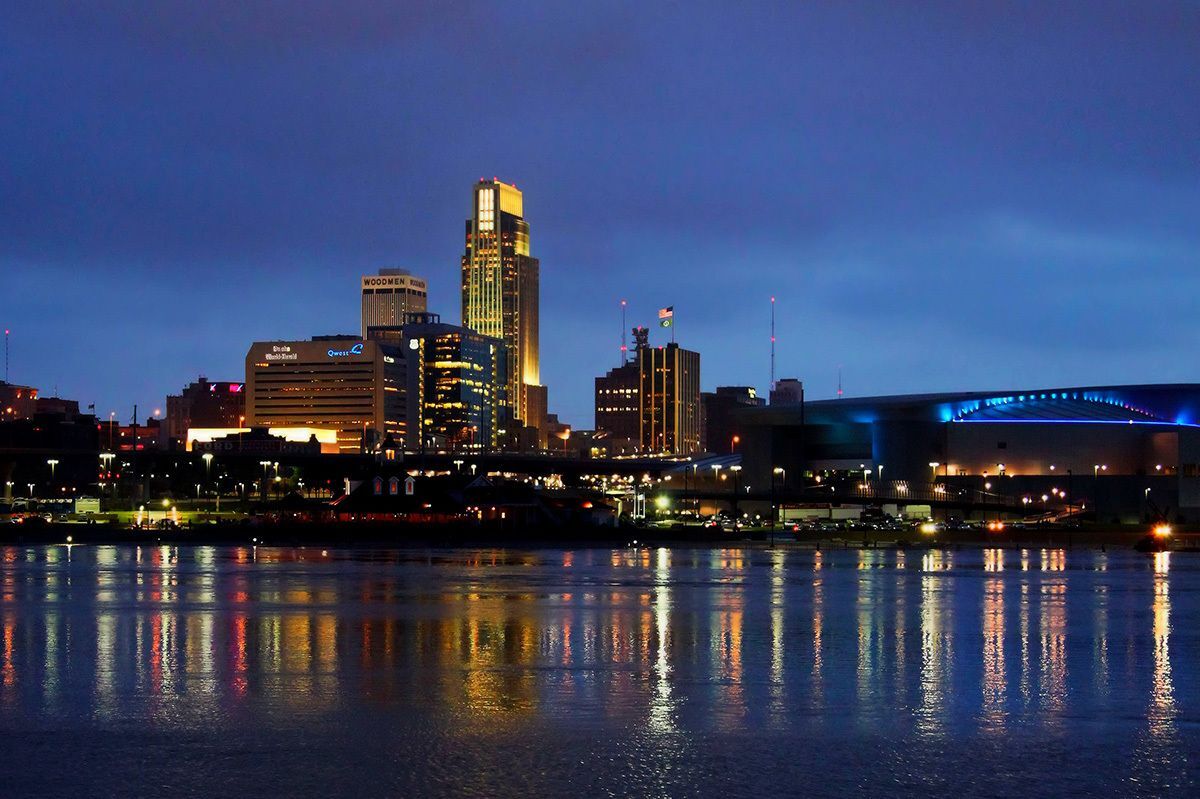
Light pollution is a common part of life for us all. It’s estimated that 99% of people in the United States live in areas impacted by excess lighting. This makes it harder for us humans to sleep, relax, and follow our natural circadian rhythms. Simultaneously, this light pollution harms nocturnal animals and interrupts the natural cycles and rhythms that birds, and all creatures, depend on.
While many of us are familiar with “dark sky places,” like Merritt Reservoir State Recreation Area in Valentine, Nebraska (a designated Dark Sky Park), dark skies aren’t limited to areas with naturally little light pollution. We all have a part to play in keeping nighttime dark and sacred for creatures who rely on the stars. Pave the way for birds on the move by following these simple steps to preserve dark skies in the spring and fall:
- Dim outdoor lights. Springtime bonfires or cookouts are a great time to illuminate your yard, but afterward, consider dimming it down. If you use pathway lighting, choose lights that direct the beams downward, and limit their wattage. Turn off unnecessary lights on your porch, deck, and inside your home when you’re not in the room. Light shining through windows can confuse birds’ nighttime pathways and even delay their migration patterns as they misread their route. A bonus of dim outdoor lighting is that it allows fireflies, whose populations are in drastic decline, to see each other more easily.
- Add reflective material to your windows to redirect birds. When birds become disoriented by light pollution, they can grow fatigued, and this makes it harder for them to notice when they’re flying toward a solid structure like a residential home. Placing reflective or patterned decals on your windows helps birds both night and day, reducing the likelihood of often-fatal collisions with homes and buildings.
- Increase habitat that also lets the stars shine. Planting native trees, shrubs, or other plants near lighting sources helps to shade the glare of light pollution from path lights, streetlights, or homes. Strategically placing these plants by light sources not only beautifies your space, but it lessens the intensity of beams from light sources while also adding valuable habitat for a variety of creatures.
- Trade out old lightbulbs for energy-efficient and warm-light options. You don’t have to sit in the dark at home, but you can make your bulbs more bird-friendly! Using warm-white or amber lightbulbs can be a simple way to reduce light pollution in your neighborhood. To make this approach even more effective, draw your curtains or blinds at night, so less light glare reaches outside of your windows.
- Be an advocate! Talk with your neighbors about the importance of dark skies. If anyone in your community is an obvious bird-lover – look for feeders in the yard or a birdbath – consider sharing what you know about how dark skies benefit birds. A single conversation can make an impact across your neighborhood, and for birds across the country.
Dark skies are a comfort and necessity, but they are also in peril. A life without the stars is less beautiful for people and animals alike. Doing what you can to preserve the glimmer of night skies can ensure that the birds you love are able to thrive and return to Nebraska for decades to come.
Learn more
DarkSky and the National Audubon Society promote Lights Out for the birds
Photo credit: Bradley Weber


